
Comprehensive Eye Exam vs. Basic Vision Screening: What’s the Difference?
When was the last time you had your eyes fully examined - not just read letters off a chart? Many people assume that passing a quick vision screening means their eyes are healthy, but that’s not always the case. While screenings can identify obvious vision problems, they don’t provide the in-depth evaluation needed to truly protect your eyesight.
What Is a Basic Vision Screening?
A basic vision screening is a quick evaluation designed to identify potential vision problems. These screenings are often conducted at schools, primary care offices, or community health events. The primary goal is to determine whether someone may need further evaluation by an eye care professional.
Typically, a vision screening includes reading letters from a distance to assess visual acuity and sometimes a simple near vision check. However, it does not involve a full assessment of eye health. Screenings do not diagnose conditions, evaluate eye coordination, or detect early signs of eye disease. Even if you pass a screening, it does not necessarily mean your eyes are healthy.
What Is a Comprehensive Eye Exam?
A comprehensive eye exam is a thorough evaluation performed by an optometrist. Unlike a screening, this exam assesses both your vision and the overall health of your eyes.
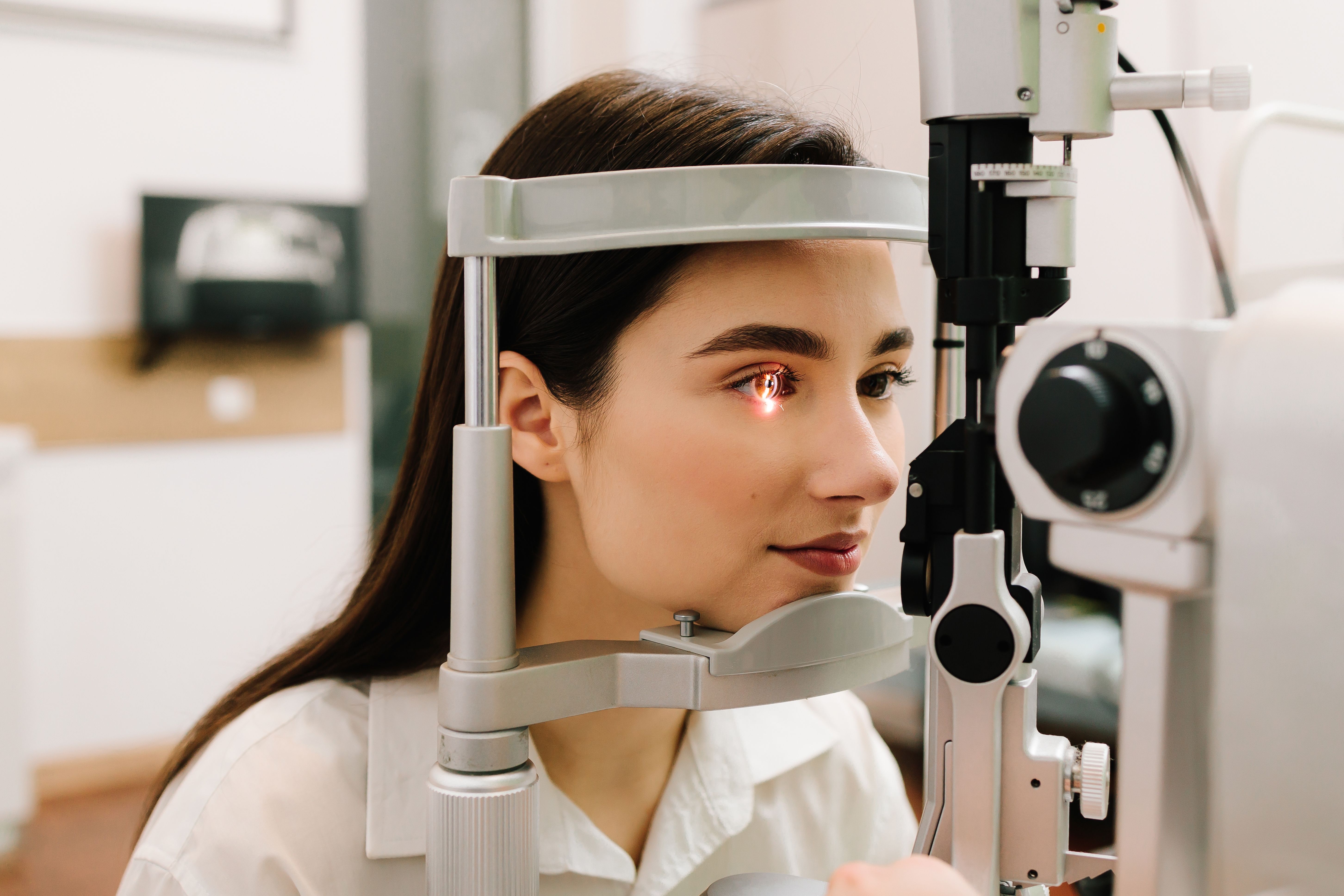
During a comprehensive exam, your eye doctor evaluates distance and near vision, determines your precise prescription through refraction testing, and checks for astigmatism. The exam also includes assessments of eye alignment, tracking ability, depth perception, and how well your eyes work together.
In addition, your eye doctor will examine the internal and external structures of your eyes using specialized equipment. This allows for the detection of early signs of glaucoma, macular degeneration, diabetic retinopathy, cataracts, and other serious conditions. Many of these diseases develop gradually and without symptoms, making routine comprehensive exams especially important.
Why Comprehensive Eye Exams Matter for Overall Health
Your eyes can reveal more than just vision problems - they can provide insight into your overall health. During a comprehensive eye exam, doctors may detect signs of systemic conditions such as diabetes, high blood pressure, autoimmune disorders, or neurological concerns.
Why Screenings Aren’t Enough for Children
While school vision screenings are helpful, they often miss certain vision issues that can affect learning and development. Conditions such as farsightedness, focusing problems, and eye teaming issues may not be identified during a basic screening.
Children often assume that what they see is normal, even if their vision is impaired. A comprehensive eye exam ensures that their vision supports reading, classroom performance, and overall development.
The Risks of Skipping Full Exams for Adults
Many adults only schedule eye appointments when they notice blurry vision. However, serious eye diseases like glaucoma can progress silently without noticeable symptoms. By the time vision changes occur, damage may already be significant.
Adults over 40, individuals with diabetes or high blood pressure, those with a family history of eye disease, and people who spend extended time on digital devices should be especially proactive about scheduling regular comprehensive exams.
Schedule Your Comprehensive Eye Exam at Bedford Vision & Eye Clinic Today
A vision screening is a useful tool for identifying potential concerns, but it is not a replacement for a comprehensive eye exam. Screenings simply determine whether further evaluation may be necessary, while comprehensive exams diagnose, monitor, and protect your overall eye health. Clear vision is only part of maintaining healthy eyes. Regular comprehensive exams ensure that hidden issues are detected early and managed properly.
Contact Bedford Vision & Eye Clinic to schedule your comprehensive eye exam and take a proactive step toward protecting your vision for the future. Visit our office in Shelbyville, Tennessee, or call (931) 684-2197 to book an appointment today.

Contact Info
Office Address: 915 Colloredo Blvd
Shelbyville, TN 37160
Shelbyville, TN 37160
Call Or Text (931) 684-2197
Fax (931) 229-1112
Office Hours
- Monday 9:00 am - 5:00 pm
- Tuesday 9:00 am - 12:00 pm,
2:00 pm - 6:00 pm - Wednesday 9:00 am - 4:00 pm
- Thursday 9:00 am - 6:00 pm
- Friday 8:00 am - 1:00 pm
- Saturday Closed
- Sunday Closed
© 2026 Bedford Vision & Eye Clinic. All rights Reserved. Accessibility Statement - Privacy Policy - Sitemap
Powered by:
